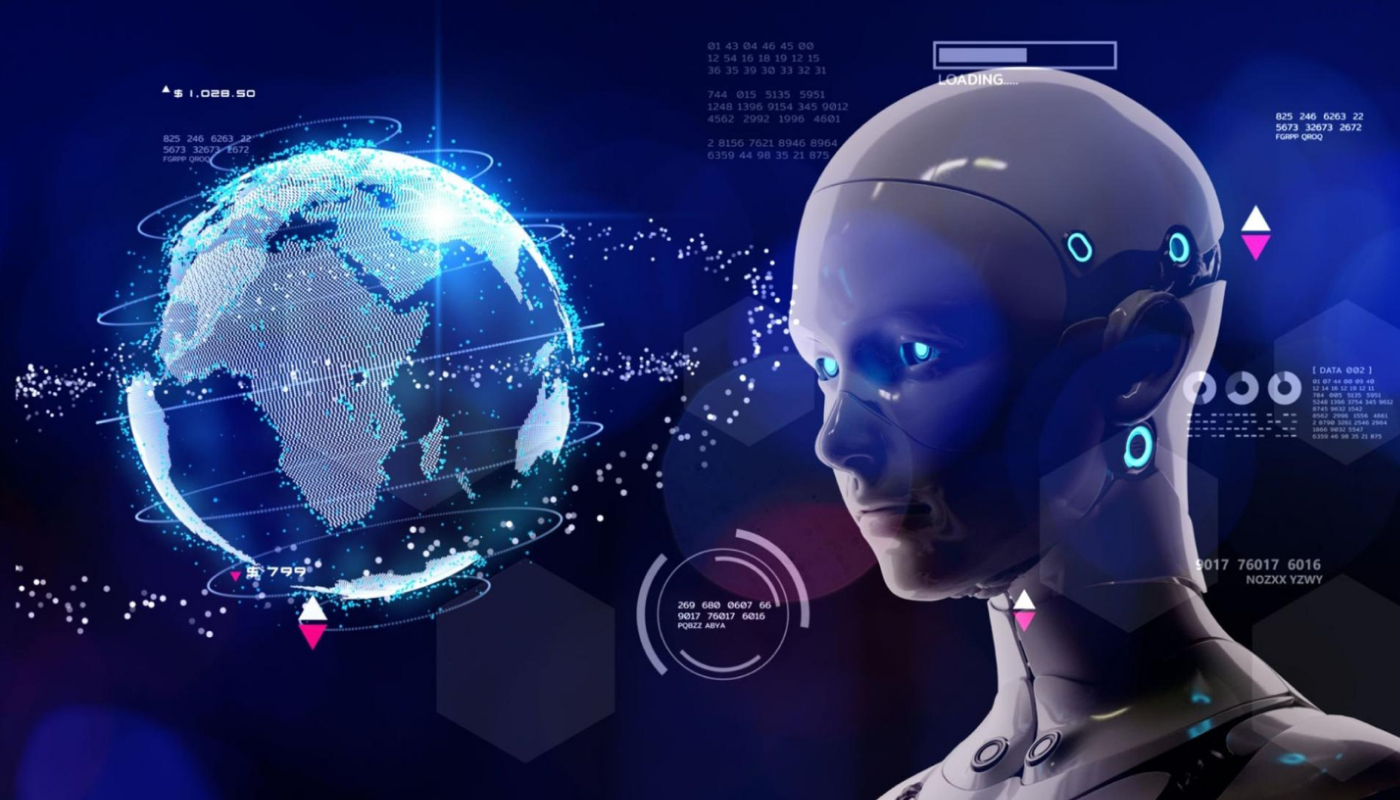
As we approach 2026, the landscape of artificial intelligence (AI) is poised to undergo transformative changes that will redefine the boundaries of technology and human interaction. The advancements in AI are no longer confined to experimental laboratories or niche applications; instead, they are becoming deeply integrated into everyday life, industry, and governance. This new era of intelligence promises not only enhanced computational capabilities but also a profound shift in how societies function and evolve.
One of the most significant developments anticipated by 2026 is the maturation of general artificial intelligence systems that exhibit a more nuanced understanding of context and intent. Unlike earlier AI models that excelled at specific tasks but struggled with adaptability, next-generation AI will demonstrate flexible problem-solving skills across diverse domains. This evolution is driven by breakthroughs in machine learning architectures, increased computational power, and vast datasets that enable machines to learn from complex patterns with greater accuracy.
In practical terms, this means AI assistants will become far more intuitive and proactive. They will anticipate user needs based on contextual cues such as emotional states or environmental factors. For example, healthcare AI could monitor patient vitals continuously through wearable devices and intervene preemptively before symptoms worsen. Similarly, educational platforms powered detailed article by advanced AI could tailor curricula dynamically to match individual learning styles and progress rates, fostering personalized education at scale.
Industrial automation will also reach unprecedented levels of sophistication by 2026. Smart factories equipped with interconnected robotic systems will operate autonomously while optimizing resource usage in real-time through predictive analytics. Supply chains managed by intelligent algorithms will adapt swiftly to disruptions caused by geopolitical events or natural disasters-minimizing downtime and economic impact.
Ethical considerations surrounding AI deployment continue to be paramount as these technologies permeate critical aspects of human life. Transparency in algorithmic decision-making processes is increasingly demanded from developers and policymakers alike to prevent biases or unintended consequences. Efforts toward creating explainable AI models are gaining momentum so users can comprehend how decisions affecting them are made.
Moreover, collaboration between humans and machines is expected to deepen rather than be replaced entirely by automation. Augmented intelligence-where humans leverage AI tools for enhanced creativity or strategic thinking-will become commonplace across professions ranging from medicine to law enforcement.
In conclusion, the year 2026 marks a pivotal moment where artificial intelligence transcends its role as a mere tool into an active partner in innovation and societal development. As these intelligent systems grow more capable yet ethically grounded, they hold immense potential for solving some of humanity’s most pressing challenges while enriching daily experiences worldwide. The new era beckons us toward a future shaped collaboratively by human ingenuity augmented through artificial minds.