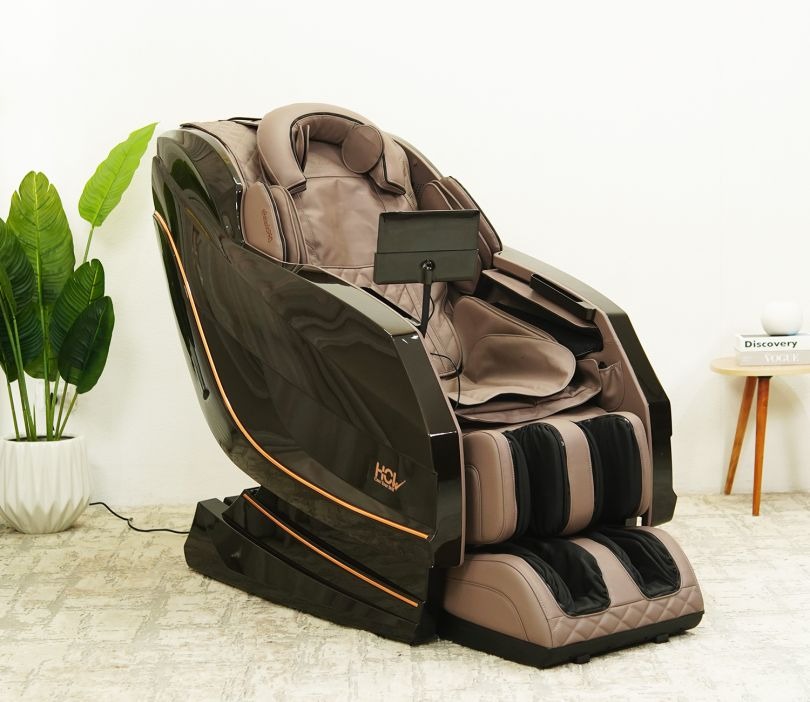
Lower back pain is a common complaint among individuals who spend long hours working, especially those with sedentary jobs or physically demanding tasks. The discomfort can range from mild stiffness to debilitating pain, affecting productivity and overall quality of life. Many people seek various remedies to alleviate this persistent issue, and one increasingly popular option is the use of massage chairs. But can massage chairs truly help with lower back pain caused by work?
Massage chairs are designed to mimic the techniques used by professional massage therapists, offering kneading, rolling, tapping, and sometimes even heat therapy. These features aim to relax muscles, improve circulation, and reduce tension in targeted areas such as the lower back. For workers who experience muscle tightness due to prolonged sitting or repetitive movements, these benefits can be particularly valuable.
One of the primary causes of lower back pain at work is muscle strain resulting from poor posture or overuse. Sitting for extended periods often leads to compressed spinal discs and weakened core muscles that support the back. Massage chairs help counteract these effects by stimulating blood flow and promoting relaxation in stiff muscles. Improved circulation allows oxygen and nutrients to reach damaged tissues more efficiently while helping remove waste products like lactic acid that contribute to soreness.
Additionally, many modern massage chairs come equipped with adjustable settings tailored specifically for targeting problem areas such as the lumbar region. Users can customize intensity levels according to their comfort needs-ranging from gentle massages aimed at reducing stress to deeper pressure focused on relieving knots or trigger points within tight muscles.
While massage chairs offer promising relief for some individuals suffering from lower back pain related to work activities, it’s important to recognize their limitations as well. They should not replace medical advice or treatment when dealing with severe conditions like herniated discs or chronic spinal issues requiring professional intervention. Instead, they serve best as complementary tools alongside proper ergonomics at workstations, regular exercise focusing on strengthening core stability, and stretching routines.
Furthermore, consistency plays a crucial role in obtaining meaningful results from using a massage chair reviews regularly rather than sporadically after experiencing acute discomfort episodes.
In conclusion, massage chairs can indeed provide significant relief for lower back pain stemming from occupational factors by relaxing tense muscles and enhancing blood flow around affected areas. When integrated into an overall approach involving ergonomic adjustments and physical activity habits conducive to spinal health maintenance-and under guidance when necessary-they represent a convenient method for managing minor-to-moderate workplace-related lower back discomfort effectively at home or office settings alike.